
← Back to blog
Why Workplace Pregnancy Loss Policies Must Include Abortion
Feminist Workplaces
Parental Leave
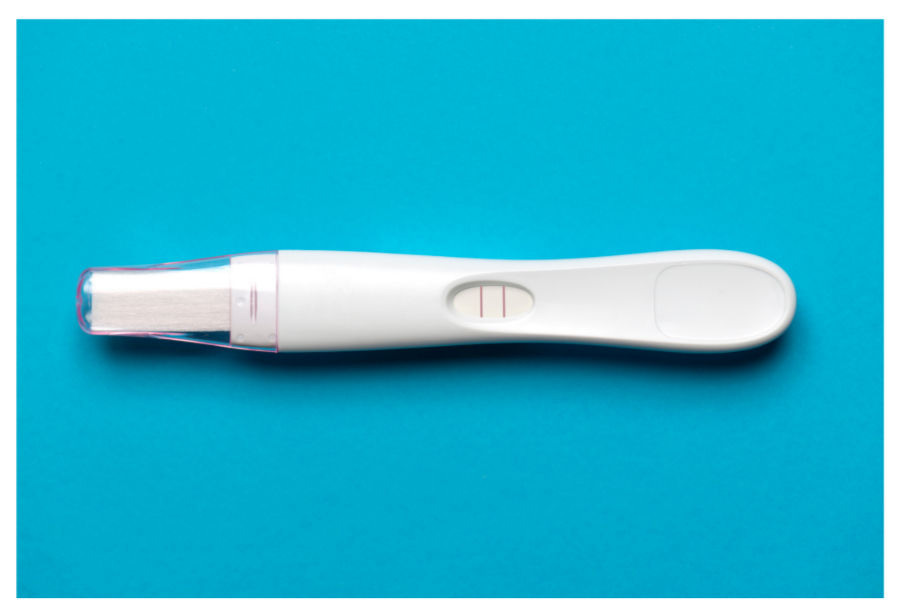
Many workplace pregnancy leave policies in Ontario refer specifically to miscarriage and stillbirth because that’s how employment standards legislation frames leave entitlements. (By contrast, British Columbia’s legislation takes a broader approach by referencing pregnancy terminations.)
But when workplace policies name only miscarriage and stillbirth, they leave out a critical reality: abortion. And that gap matters.
Why This Matters
Abortion is common—about one in three women will have one in their lifetime—and people seek abortions for many reasons, with diverse personal, emotional, and medical impacts.
When workplaces fail to acknowledge abortion as a form of pregnancy loss, the consequences can be significant:
- Stigma and silence: Employees may wonder if they qualify for the same supports offered after miscarriage or stillbirth. Instead of asking, many will remain silent, potentially losing out on benefits that were designed to provide care.
- Disenfranchised grief: Excluding abortion from policy language risks marginalizing employees and compounding grief that is already stigmatized or unrecognized.
This isn’t to say that abortion is the same experience as miscarriage or stillbirth. But failing to acknowledge it in workplace policies creates harm.
What Employers Can Do: Pregnancy Loss Policies
- Use inclusive language. If your policy currently references miscarriage and stillbirth, consider replacing that with the broader term pregnancy loss. Then, clearly define what that includes. This small shift signals inclusivity and ensures employees know their experiences are recognized.
- Create a standalone pregnancy loss policy. Rather than a short note referring the employee to your sick leave or bereavement leave policies, a dedicated policy allows for more accurate language, stronger supports, and a clear message of inclusivity. The best examples use gender-inclusive language and acknowledge diverse forms of pregnancy loss, including abortion.
You might consider these two model policies by UK employers to get started. They use gender inclusive language, recognize multiple forms of pregnancy loss, and extend support to everyone affected by pregnancy loss (beyond the person who physically experienced the loss):
Get your lawyer to help you amend these policies to fit with your local laws and existing policies.
Beyond Policy: International Safe Abortion Day
This conversation is especially timely as yesterday marked International Safe Abortion Day (September 28). Each year, unsafe abortions cause more than 39,000 preventable deaths worldwide and millions of health complications. Ensuring safe, legal access to abortion is not only a matter of health but also of equity and human rights.
In Canada, abortion has been legal since 1988. But barriers remain: referral requirements, gaps in public information, long travel distances, and restrictions on medication access mean that timely abortion care is not equally available to all.
The Women’s Legal Education and Action Fund (LEAF)’s Abortion Access Tracker illustrates these jurisdictional gaps across Canada.
To learn more about International Safe Abortion Day and how you can get involved, visit this resource.
.png)
.png)