
← Back to blog
Misgendering and Deadnaming as Workplace Harassment in Canada
Feminist Workplaces
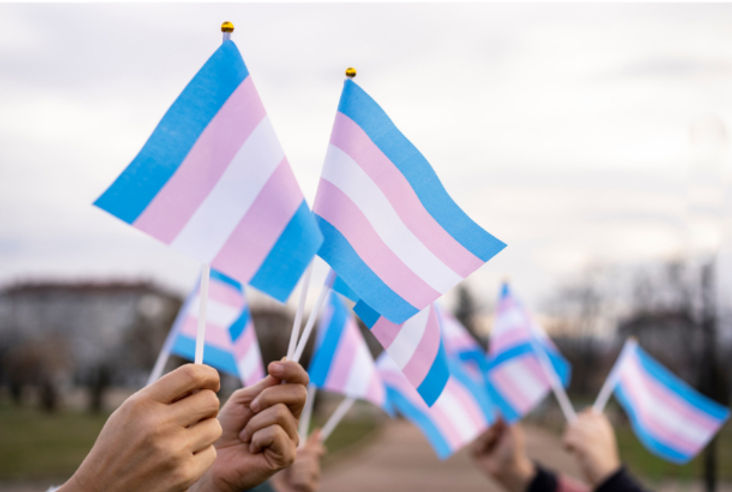
Misgendering and deadnaming someone is legally recognized as harassment in Canada.
Recently, Storm Hassett (Australia) sparked global conversation by posting on LinkedIn that deliberate misgendering and deadnaming should be treated as workplace harassment. The post drew widespread commentary, including from people noting where this has already been recognized under their jurisdictions' laws.
The Legal Position on Misgendering and Deadnaming in Canada
In Canada, both the Human Rights Tribunal of Ontario (HRTO) and the Canadian Human Rights Tribunal (CHRT) have expressly found that misgendering and deadnaming can amount to harassment. These decisions are grounded in the protected grounds of sex, gender expression, and/or gender identity.
Importantly, the reasoning in these cases is transferable across the country. Every Canadian jurisdiction recognizes sex, gender expression, and gender identity (or some variation thereof) as prohibited grounds of discrimination under human rights law.
Does Intention Matter?
A key question raised in Storm’s post was whether intention matters. In the Canadian cases, the conduct was repeated and deliberate. Colleagues and managers misgendered and deadnamed applicants multiple times.
However, human rights law is clear: intention is not necessary to establish discrimination or harassment. Even unintentional acts can amount to harassment or discrimination if their effect is discriminatory.
Take for instance this passage from a BC Human Rights Tribunal decision that found misgendering to be discrimination:
Human rights law is concerned not with intentions, but with impacts: Code, s. 2; Schrenk at para. 88 (per Abella J, concurring). This does not mean, however, that intention is irrelevant. A person’s intention can go a long way towards mitigating or exacerbating the harm caused by misgendering. Where a person is genuinely trying their best, and acknowledges and corrects their mistakes, the harm will be reduced. This is evidenced by Jessie Nelson’s response to mistakes made by Mr. Kingsberry, who proactively took steps to correct himself and make the workplace more inclusive. These mistakes, though they may have been painful, did not lead them to file a human rights complaint. As they explained in this hearing, “I don’t expect perfection around my pronouns; I never have.” On the other hand, where a person is callous or careless about pronouns or – worse – deliberately misgenders a person, the harm will be magnified. This was the case with Mr. Gobelle.
What This Means for Workplaces
This does not mean that an accidental slip automatically results in liability. If someone makes a genuine mistake, immediately corrects themselves, apologizes, and demonstrates an effort not to repeat the error, legal consequences are unlikely.
Still, the law makes clear that persistent misgendering and deadnaming—whether deliberate or not—can create a poisoned work environment and expose employers to liability.
Practical Guidance for Employers and Colleagues
For those looking to deepen their understanding, I highly recommend Amelia J. Michael's new book, Gender Inclusion at Work. It offers thoughtful, non-judgmental advice (with humour, too) on how to recover when mistakes happen and how to be a better ally. As Amelia notes, “It's okay to mess up. What matters is how you respond.”
(I would also note that Amelia’s book provides a very helpful guide on the differences and interplay between gender, gender identity, and gender expression. They would likely disagree with how Canadian human rights tribunals have sometimes used those terms interchangeably in their decisions.)
If your organization is looking to strengthen its workplace culture while staying compliant with Canadian human rights law, I provide both legal advice and equity-focused training. Contact me to learn more.
.png)
.png)